Introduction
The majority of fabrics act as a barrier to UV radiation, which is why swimwear creates those distinct tan lines — the material shields your skin from the sun's rays, leaving covered areas noticeably paler than exposed skin.
However, certain fabrics behave quite differently. Learning which materials allow UV light to pass through — and the science behind it — is essential for achieving a smoother, more uniform tan without harsh lines.

Can You Tan Through Fabric?
Yes — but only when wearing swimwear made from specially engineered fabrics designed to let UV rays pass through.
Most traditional swimwear fabrics — including nylon, polyester, and spandex blends — effectively block the vast majority of UV radiation. The tighter and more densely woven the fabric, the greater the UV protection it provides. Similarly, darker colours offer significantly more sun protection than lighter shades.
Tan through fabric operates on an entirely different principle. Unlike standard swimwear materials, these specially engineered fabrics are designed to permit a measured amount of UV radiation to penetrate the material and reach your skin, creating a more even tan without traditional tan lines.

What Is Tan Through Fabric Made Of?
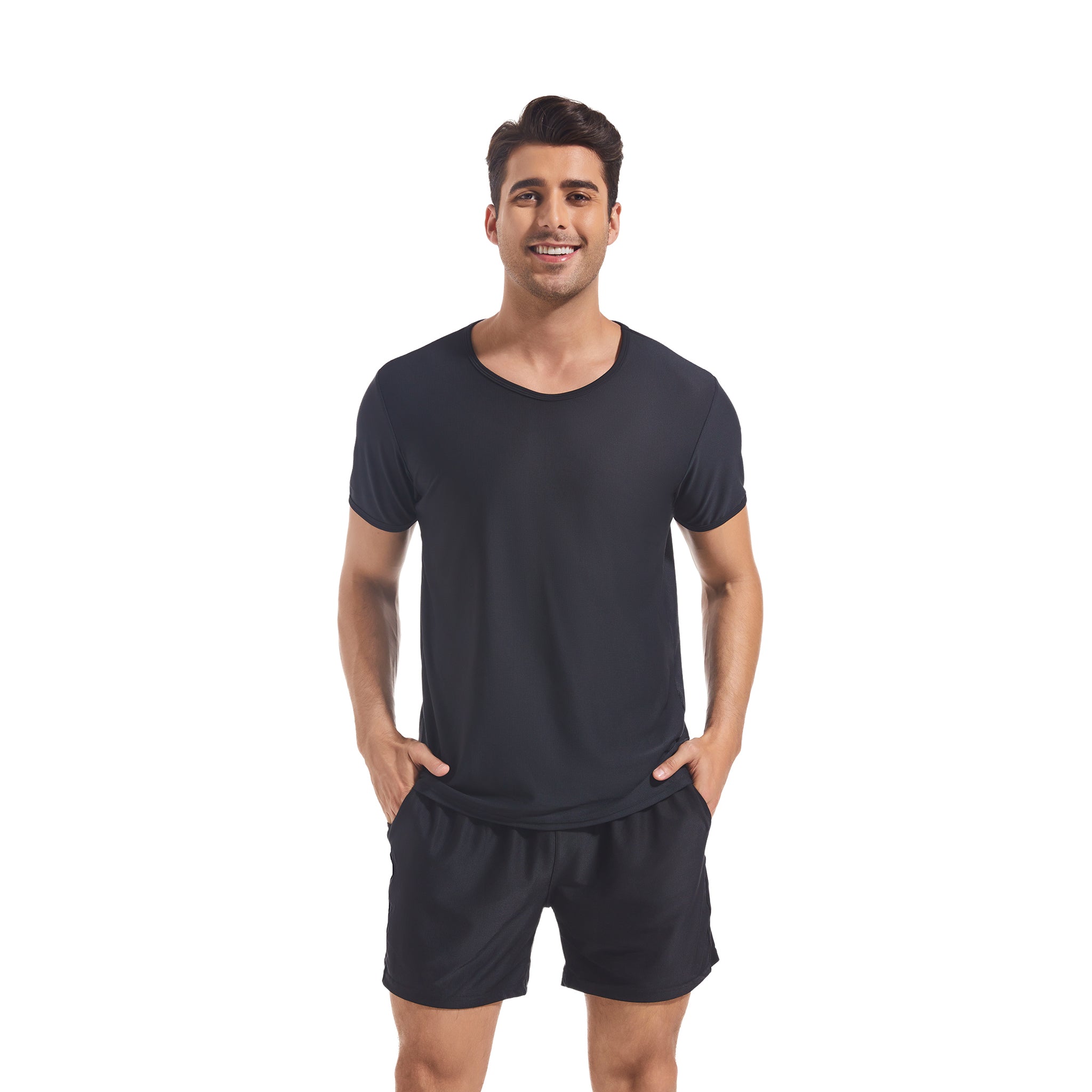
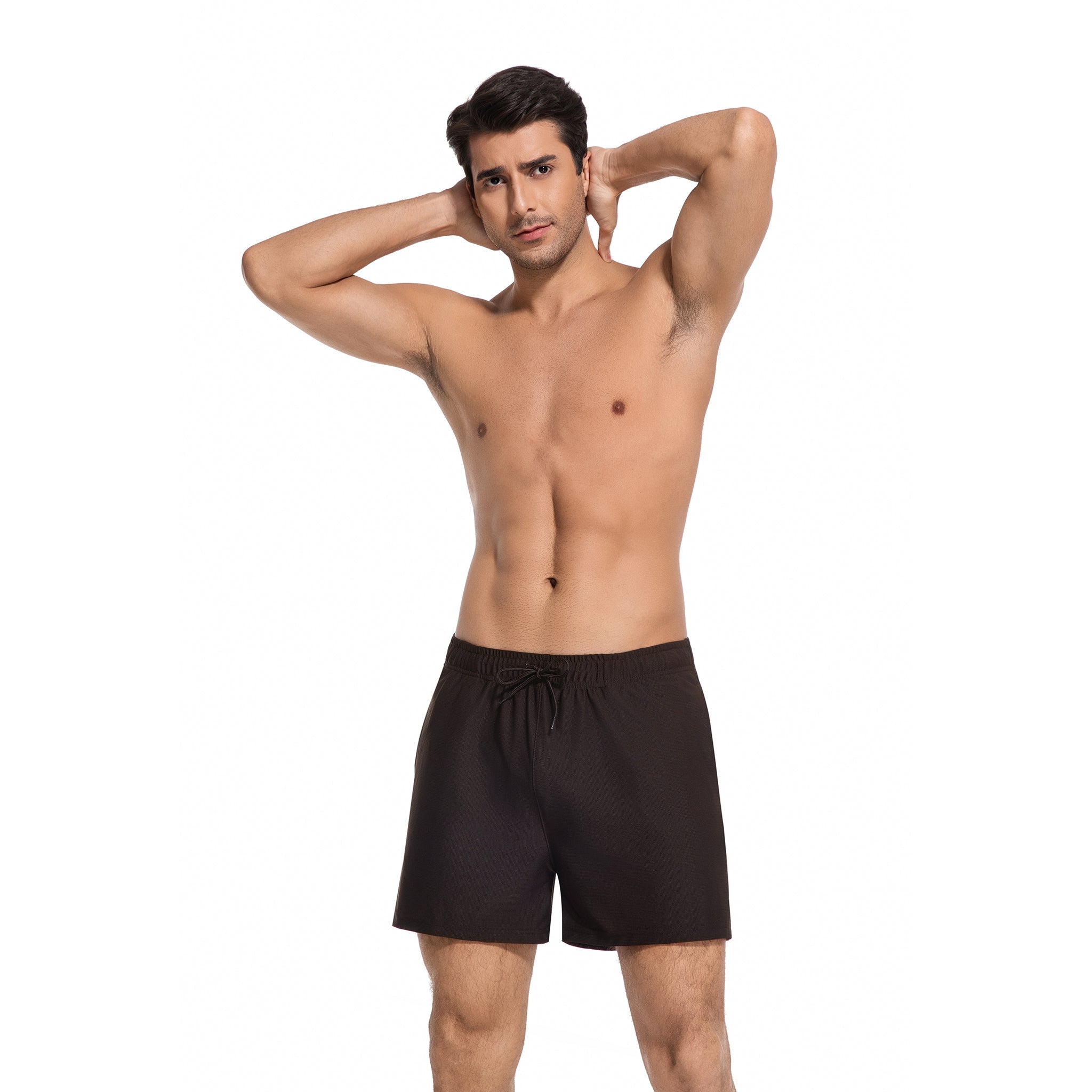
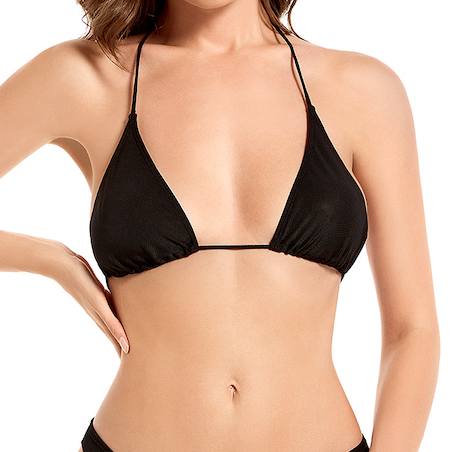
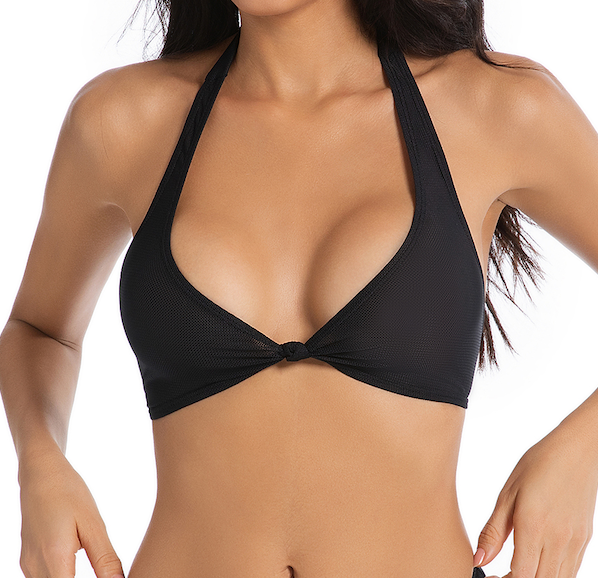
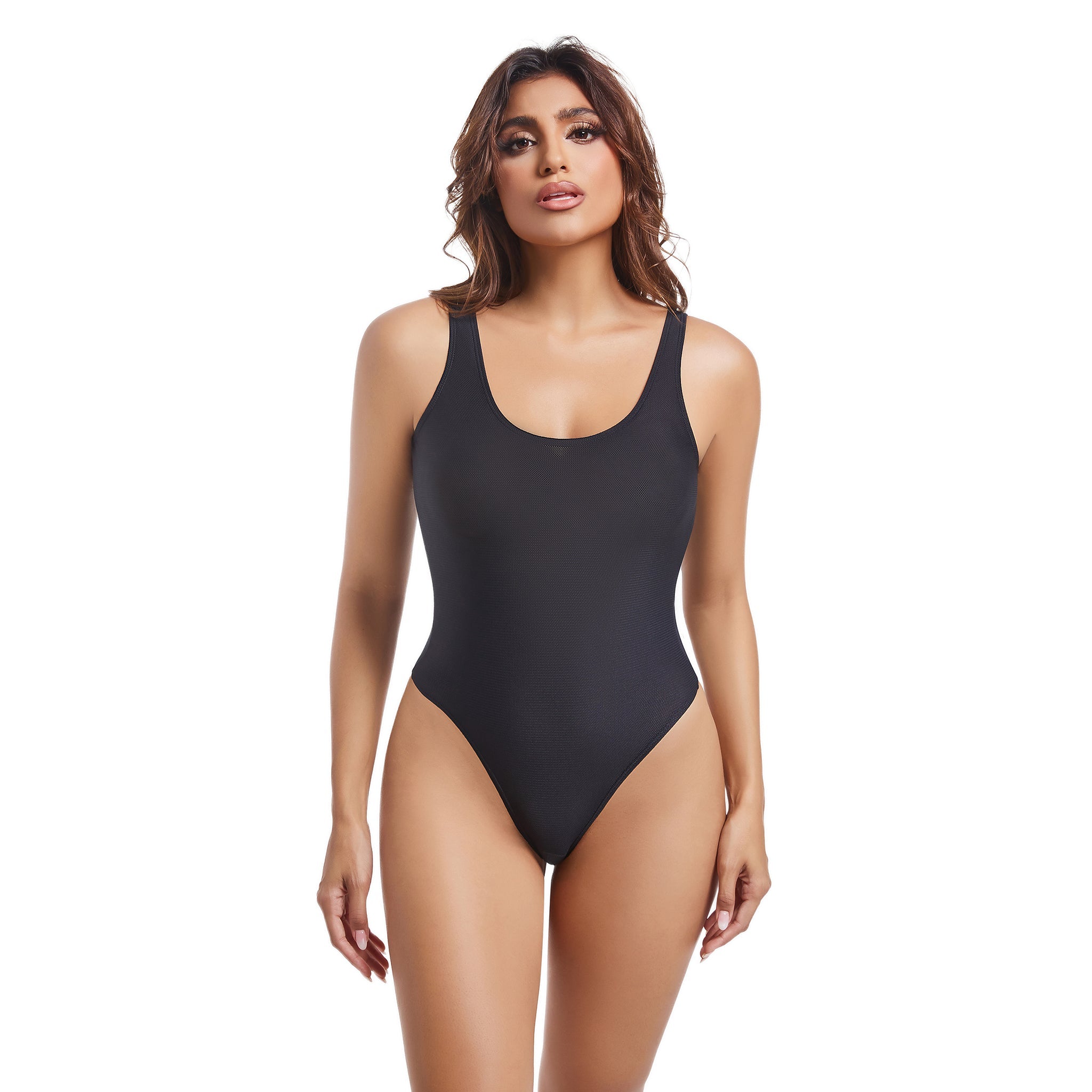
Tan through fabric is an innovative micro-perforated material engineered specifically to allow UV rays to pass through whilst maintaining the appearance and functionality of standard swimwear.
-Micro-perforations: thousands of minuscule holes are engineered into the fabric at a microscopic scale — invisible to the naked eye, yet precisely sized to permit UV rays to pass through to your skin
-Synthetic base materials form the foundation of tan-through fabrics, typically constructed from polyester or nylon blends that are specifically engineered to deliver durability, elasticity, and water-resistant properties.
-Controlled UV transmission is the standout feature of tan-through fabric. The material is engineered to allow a measured amount of ultraviolet light to pass through the weave — sufficient to develop a tan — while maintaining the protective coverage you expect from swimwear.
The result is a uniquely engineered fabric that maintains the appearance and comfort of traditional swimwear, whilst simultaneously allowing UV rays to penetrate through to your skin, enabling you to achieve an even tan without removing your garment.

How Much UV Does Tan Through Fabric Let Through?
Tan through fabric works by filtering UV rays rather than blocking them completely, offering roughly the equivalent of SPF 6–10 protection. This selective transmission means you can develop a tan while wearing the garment, yet still benefit from meaningful UV defence.
This means:
You can achieve a natural tan while wearing this piece, as the fabric allows UV rays to pass through while still offering meaningful sun protection.
The fabric provides meaningful UV protection while allowing a gradual tan to develop. While it blocks a significant portion of UV rays, sunscreen should still be applied to any exposed skin for complete sun safety.
Apply sunscreen to all exposed skin for comprehensive protection, even when wearing UV-protective fabric.
What Fabrics Can You NOT Tan Through?
Standard fabrics offer reliable UV protection in varying degrees:
-Standard nylon and polyester swimwear blocks most UV rays, which is why defined tan lines appear where the fabric covers your skin.
-Cotton offers reliable UV protection with a moderate SPF-equivalent rating. It blocks sufficient UV radiation to prevent most tanning through the weave, making it ideal for extended sun exposure without the risk of uneven coverage.
-Denim and heavy fabrics: block almost all UV rays
-Dark fabrics naturally absorb more UV radiation than light-coloured materials, creating a stronger barrier against sun exposure and delivering superior protection for your skin.
The tighter the weave and more opaque the material, the greater the UV blocking — resulting in sharper, more defined tan lines.

Can You Tan Through Mesh?
Mesh swimwear offers varying levels of UV permeability based on weave density, but lacks the specialized engineering of dedicated tan-through fabrics designed for maximum UV transmission.
The key differences:
-Mesh allows UV through because of its open weave, but UV transmission varies unpredictably across the fabric, creating uneven tan lines. Tan through fabric provides consistent, engineered UV transmission for a uniform tan.
-Tan through fabric features micro-perforations engineered to deliver consistent, controlled UV transmission across the entire surface, ensuring an even tan develop without visible swimwear lines.
-Mesh prioritizes style over function, while tan through fabric delivers engineered UV transmission for consistent, even tanning results across your entire body.
What Makes Tan Through Fabric Different From Regular Swimwear?
The difference is in the engineering:
-Regular swimwear prioritizes coverage and sun protection, with UV blocking occurring naturally through fabric density.
-Tan through fabric uses advanced micro-perforations that selectively allow UV rays to pass through while maintaining full coverage and support. Unlike regular swimwear that blocks UV as a side effect of density, this engineered design lets you develop an even tan without removing your suit.
From the outside, tan through fabric looks identical to standard premium swimwear. The real difference emerges over time — as your tan develops evenly without tan lines, revealing the invisible engineering beneath the surface.
FAQ
Can you tan through any swimsuit?
Tan through swimwear features micro-perforations engineered to transmit UV rays, allowing you to achieve an even tan without tan lines. Unlike standard swimwear, this specialist fabric lets controlled UV light pass through while maintaining coverage and comfort. Works best in direct sunlight; always apply sunscreen to exposed areas and follow sun safety practices.
Does the colour of tan through fabric affect how well you tan?
The difference in UV transmission between lighter and darker tan through fabrics is minimal. Because micro-perforations are the primary control mechanism for UV passage, colour has far less impact than it would with standard swimwear. Darker shades still allow effective tanning when engineered with the proper perforation density.
Is tan through fabric safe?
Yes — the fabric allows UV through in a controlled way, similar to a low-SPF sunscreen. Apply sunscreen to exposed skin and follow standard sun safety practices for optimal protection.
Does tan through fabric work in all conditions?
It works best in direct, strong sunlight. Overcast conditions and indirect light significantly reduce UV transmission, limiting tanning effectiveness just as they would with traditional sun exposure.